
.png)
A catch up of some of the best examples of IP licensing in video games and the latest news on collaborations, brand partnerships, in-game events and the industry as a whole.
This month we also delve a little deeper in to some of the new IPs and Developers who have recently joined the Layer marketplace.
Naturally, we cannot tell you the specific reasons why certain developers have joined, but it is great to have them engaging with our increasingly collaborative ecosystem.
Also, further to the positive reaction to last month’s IP genre focus, we have decided to do it again, this time focussing on Anime.
Prior to that we take a wider lens look at the industry and how everyone feels about it, post recent events including GDC.
For further information on Layer, what we are doing now and more, please reach out to Simon@layerlicensing.com

We think it is a pertinent time to wrap up in as short an article as we can, how we and others see the state of the video games industry having reviewed feedback from many companies, media outlets and individuals recently.
If you are a regular reader of our Newsletter, you will have picked up on Simon Kay’s overall positive perspective, which often went against the grain of overall negativity.
Having undertaken this short research across multiple articles, we feel even more positive, although challenges persist. Anyway, here we go…
A Paradox: Record Revenues, but Weak Confidence:
A consistent theme from developers, publishers, and investors is that headline growth tends to mask structural fragility.
The result: an industry that is financially large but operationally cautious, with fewer bets, tighter funding, and higher risk aversion.
Workforce anxiety and AI tensions dominate discussion. But is it all negative sentiment:
One of the loudest themes at GDC 2026 was uncertainty around jobs and technology:
At the same time:
This creates a clear divide:
User-Generated Content (UGC) emerges as a central growth driver:
UGC was one of the most discussed structural shifts and it does always pose curiosities when it comes to licensing IP…..
Key dynamics:
Industry takeaway:
UGC is increasingly viewed as a new paradigm (like mobile or free-to-play once was) - not just a niche. Don’t treat it as one. Harness it.
Strategic implications:
Explosion of licensed IP in UGC ecosystems:
A major shift discussed post-GDC is the “democratisation” of IP licensing.
Yes, you read that correctly. That is genuinely a thing and it is fascinating in many ways, especially for a business like ours.
What’s new:
Why it matters:
This is increasingly and widely seen as a “platformisation” (yes this is a real word we have seen utilised to describe this) of IP, where:
Specifically on this element, Layer and AT New Media will continue to support all forms of collaborations where working practices become more fluid and efficient and both the user and the businesses concerned benefit from streamlining. Something that we certainly would like to see more of, especially when it comes to the legal and approval processes that can often slow down the delivery of commercial success in a sector where the consumer is increasingly nomadic. Speed to market will remain a challenge but we are so here for this development.
Changing development and business models:
GDC discussions highlighted a broader shift in how games are made and monetised:
Movement toward:
Movement away from:
The industry is evolving toward “games as platforms” rather than products.
Key tensions shaping the next 3–5 years:
a) Scale vs sustainability
b) Creativity vs commoditisation
c) Control vs openness (something we have often discussed in detail with many third parties)
d) Platforms vs traditional studios
In Conclusion:
Post-GDC 2026 sentiment can be summarised as:
The games industry is growing - but consolidating, fragmenting, and transforming at the same time.
The likely direction:
Please note, we have added some additional wider industry news in to our “In Other News” section at the bottom of this newsletter. You may find a few of those news snippets of use aligned to the above content.
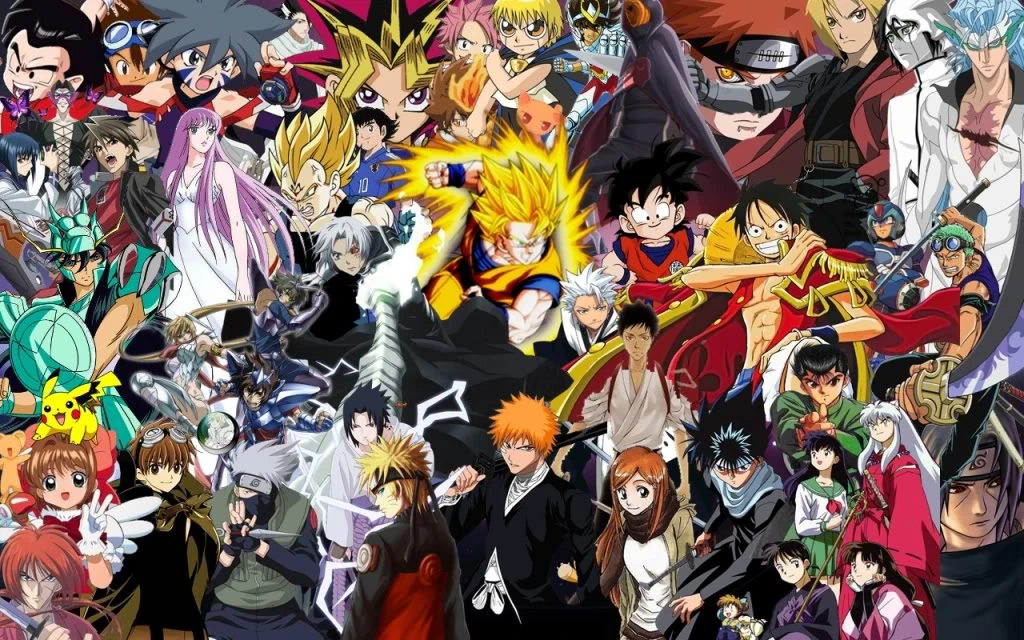
Last month we focussed on the horror genre as our supplementary feature. This month we turn our attention to Anime.
From a global perspective you could rightly argue that Anime has continued to be a primary driver of success both for licensed content integrations and whole game experiences.
We have complied a summary of what we believe are the most successful licensed anime integrations of recent history across gaming and digital platforms.
We have decided to focus on measurable revenue spikes and user acquisition/engagement data which we have been able to get hold of.
At this point it is important to mention that the majority of quantifiable successes occurred in live-service games (mobile + F2P) where limited-time anime content tends to drive gacha purchases and DAU spikes.
Most Successful Licensed Anime Integrations (Past 12 Months approx..):
1. PUBG Mobile × Attack on Titan
Category: Battle Royale crossover event
Impact
Why it worked
Strategic takeaway
2. Call of Duty: Mobile × The Seven Deadly Sins
Category: FPS limited-time event
Impact
Why it worked
Strategic takeaway
3. Free Fire MAX × Naruto Shippuden
Category: Battle royale crossover
Impact
Why it worked
Strategic takeaway
4. Mobile Legends: Bang Bang × Naruto
Category: MOBA collaboration
Impact
Why it worked
Strategic takeaway
5. Overwatch 2 × My Hero Academia
Category: Hero skin crossover event
Impact
Why it worked
Strategic takeaway
Cross-Integration Patterns (What Drives Revenue)
1. Gameplay > Cosmetics
The largest spikes come from mechanics changes:
These create temporary gameplay metas, driving spending.
2. Gacha + Limited Availability
Most successful integrations rely on:
This drives FOMO monetisation cycles.
3. Regional Anime Strength
Different anime IP dominate different markets:

4. Existing Player Base Matters
Large live-service titles convert collaborations best:

Anime collaborations primarily monetise existing players rather than drive installs.
Anime collaborations are now one of the most reliable short-term monetisation levers in live-service games, particularly when they introduce gameplay mechanics rather than purely cosmetic skins.
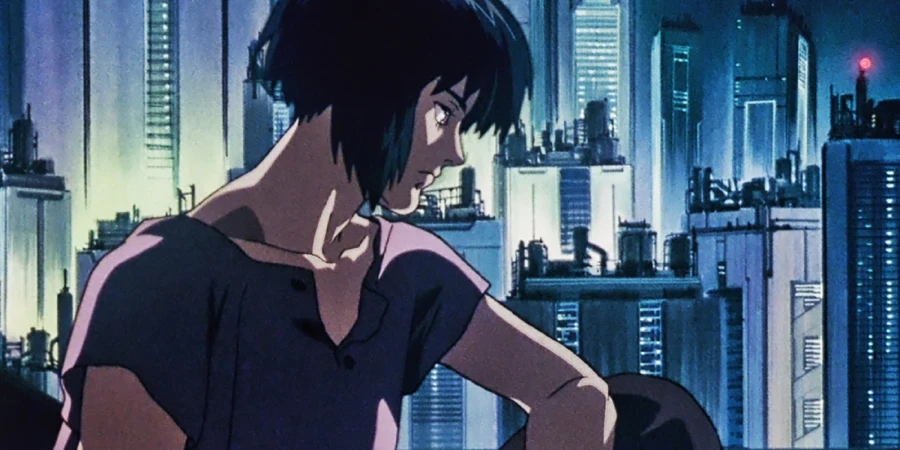
Following on from our Anime feature above, we thought it would be the right time to highlight a couple of new Anime additions to the marketplace.
We are huge fans of the Anime space and have already had success helping developers engage with various IPs from Baki to Ghost in the Shell and more.
This month we’ve had new additions to the marketplace with Fist of the Northern Star and Unico joining the Layer ecosystem.
Each of these anime IPs have something special on the horizon and you can now make enquiries for each of these via the Layer marketplace.
Fist of the Northern Star:
"The brutal saga of men in a ruined world returns to forge a new legend"
A post-apocalyptic story in the vein of Mad Max, Jojo’s and Baki. 30 years old, this anime is in the top ten of lifetime sales!
2 x new seasons on the way (which are much more faithful to the manga than the previous anime) showing on Netflix in April 2026 and April 2027
This IP is ideal for fighting games, action RPGs, and beat 'em ups, featuring intense martial arts combat in a post-apocalyptic setting. It appeals to adults who enjoy Shonen anime, martial arts, and post-apocalyptic fiction. The IP has a history of successful game adaptations.
Unico:
New Anime coming in 2028.
Unico's magical abilities and narrative structure are well-suited for several video game genres.
Unico can bring happiness to people, has the ability to transform into a winged alicorn, and is often transported to new locations by the West Wind, providing a natural basis for adventure-driven mechanics.
If you are an IP owner or agency seeking to open up new conversations through collaborating with the Layer marketplace and the support services offered by AT New Media, we welcome conversations as to how we can reach new mutually beneficial opportunities.
Developer Diaries:
As the month’s go by we will be sharing a little more about some of the developers engaging in our community and why they use it and the associated services on offer.
Wherever you are in your development lifecycle when it comes to licensing initiatives, we are pleased to have you with us.
A brief bit of information on some of our newest additions to the developer side of the marketplace…
Top App
A small team of professionals who have worked on successful projects like Dragons World, Breaking Bad, Narcos, Army of Heroes and Hustle Castle amongst others.
Exclusible
Combining Roblox native creativity with performance driven thinking to help brands and IPs build unforgettable games. Launching games and digital items or associated activations in games.
Gamestone
Gamestone is a game development studio that provides customers with stress relief and psychological relaxation through new and creative games.
Playnook
PlayNook's mission to revolutionize gaming with immersive, sound-based, accessible audio games
If you are a content developer seeking to start a journey with IP licensing or are a seasoned pro and are seeking additional support, we have the options available to help you both on and off marketplace.
Collaboration (A)Ideation:
Aligned with the feedback at recent events such as GDC, we wanted to briefly highlight our view on AI and how it can be part of our business.
We are increasingly complementing our collaborative marketplace with Ideation driven by human thought but with AI interactions and we are increasingly positive about the work in this area.
Yes, it is very early days and it is never as good as human intuition and associated relationships but we are seeing some benefits. Not just utilising data sets but using the human mind to drive ideation.
More on this as we evolve later this year.
Release Notes – Layer Collaboration Updates:
In another feature, we are going to share updates on any initiative that Layer has assisted on.
We collaborate with developers, licensors and agents in many ways.
Supporting ideation through to commercial deal delivery, we like to mention some of our own work from time to time.
Please follow our LinkedIn Page for updates on all of the above.
In Brief…
Here are some of our favourite recent and announced brand collaborations and licensing partnerships from the last month:
Finally, we mentioned last month about the notable potential growth of cross audience engagement. Whether that be from influencers to games or even games to games.
We said that such crossovers are the next growth area in IP licensing in video games as such crossovers tend to boost visibility and open game worlds to broader audiences.
Well this month saw the release of an interesting collaboration whereby Dave The Diver from MINTROCKET become Dave The Viking in the new Human Fall Flat: Viking level.
By the way 58m units sold, a 10th anniversary this year and coming to Switch 2 next! A game we love playing and a killer franchise!
Remember to keep an eye on our Collab Tracker for regular updates on collaborations we love (including some of ours of course) from the whole games and gaming industry.
In other news…
Finally, thank you again for the ongoing support as we reach the end of the first quarter having taken on the Layer brand and marketplace. We have new developments in the pipeline for later this year and we appreciate the growing collaborative nature of how we can all generate new business opportunies together in this wonderful industry.
