2025 Top Collaborations / Integrations – Roblox / Fortnite and Most Impactful Collaborations – PC/Console, Mobile
A review of some of the best examples of IP licensing / collaborations / partnerships in the games and gaming world in 2025 plus the Layer Year in Review….
Are things changing quicker than we ever thought possible? With the Roblox Creator economy and open access to multiple IPs growing all the time, are we seeing a further shift in the way we engage with IP and developers? Perhaps we are. What a year it has been and there have been hundreds of IP integrations in live-service games that have steadily improved from a customer engagement and revenue perspective.
With that in mind and another full year behind us, (somewhat impacted by changes here) we wanted to take a look back at some of the biggest licensing in games success stories from 2025.
As an added bonus, you’ll find a wrap-up of some of the licensing deals / projects made possible thanks to Layer’s Licensing in Games marketplace.
We’re pleased to have been able to support developers, agencies and licensors find new opportunities to work together.
And remember…. We do not just support console or mobile game deals. We are fully cross platform including gaming and web3 projects.
Yes ,not every IP is open to everything that is currently being curated in this wonderful progressive industry but we are always willing to help! From whichever direction you are coming in to a commercial proposition.
Anyway, let’s get to it…. How did we see 2025 and how it panned out on multiple key platforms….
In Part 1 you will see some analysis on some of the biggest and most successful content collaborations and integrations across Roblox & Fortnite ranked roughly by impact (user engagement + inferred or reported monetization), plus why they succeeded. In Part 2 you will see our perspective on the PC / Console / Mobile market.
Top Collaborations / Integrations – Roblox / Fortnite
Top Collaborations / Integrations – Roblox / Fortnite
Fortnite × Daft Punk – Daft Punk Experience
What happened: In September, Fortnite launched a major in-game event, “The Daft Punk Experience,” featuring a fully interactive playground across creative spaces (remixing music, LEGO-style music videos, dance areas, robot arenas).
According to player reports on Reddit, the experience drew 1.2 million concurrent players, peaking around 1.4 million.
Player sentiment was very positive: “It was 1.2 million earlier … Peaked at 1.4” “10/10 recommend … by far the most people I've ever seen in a Fortnite game mode.
According to That Eric Alper, the event is being called “the largest musical event in game’s history.”
Why it succeeded:
High-profile IP: Daft Punk is a globally iconic music act; drawing in not just gamers but fans of the band.
Innovative format: Instead of a passive concert, it's an interactive playground — letting players remix, explore, dance — which increases dwell time.
Monetization + scarcity: Limited-time bundle + in-game items tied to the event drive purchases.
Cross-demographic reach: Appeals to electronic music fans, Fortnite players, and even non-gamers curious about the experience.
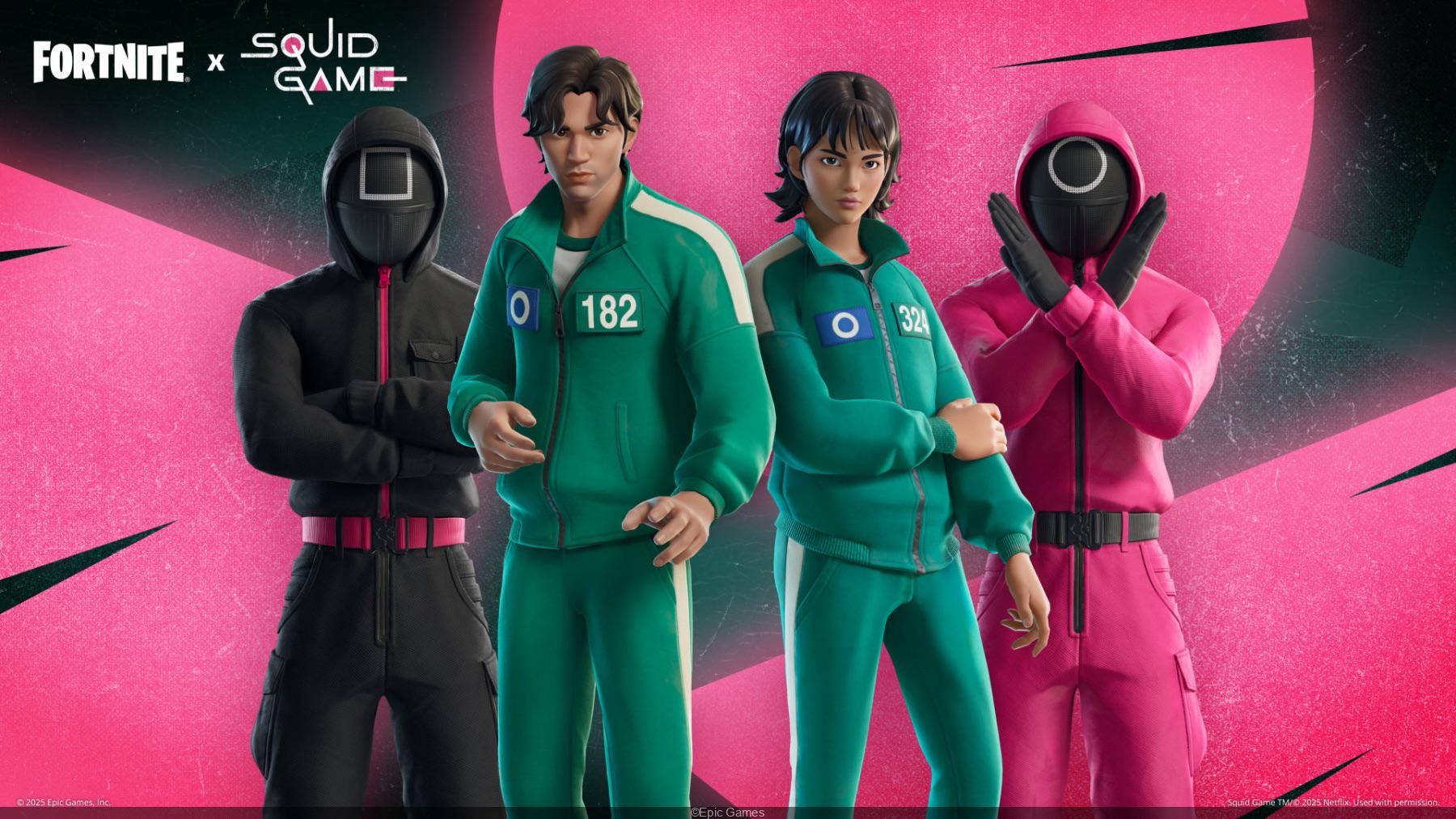
Fortnite × Squid Game – Squid Grounds Map & Skins
What happened: In June, Fortnite launched a full Squid Game-themed map called Squid Grounds in its Reload mode (a respawn-based battle royale).
Strong IP tie-in timing: The event coincided with the release of Squid Game Season 3 on Netflix.
First full-collab map in a core mode: This was the first time Fortnite introduced a full themed island for a collaboration in one of its core modes.
Skins + challenges: With themed cosmetics + challenges, there was a compelling reason for players to engage both in play and purchase.
Gamefam Creator Fund – Supporting UGC on Roblox & Fortnite
What happened: Gamefam announced a $5 million Creator Fund in June to support user-generated content creators on Roblox and Fortnite, giving them funding, tools, mentorship, and access to brand partnerships.
Gamefam has deep brand relationships (Netflix, Sony, Sega, NFL, etc.) and helps creators integrate IP into their games.
According to Gamefam, their portfolio has 12 million average daily visits across 30+ live-operated games on UGC platforms.
Why it succeeded:
Ecosystem-level impact: Instead of a one-off collab, this fund nurtures the creator economy, leading to more diverse branded games long-term.
Brand-creator matching: Gamefam connects creators with big IPs, which helps generate more meaningful and profitable content.
Monetization guidance: Many UGC creators struggle to monetize; fund gives not just capital, but live-ops and economy design help.
Diversity commitment: 25% of the fund is earmarked for underrepresented creators, which helps broaden the creative pool.
Notable Mention / Runner-up
Grow a Garden (Roblox): While not a traditional “brand collab,” Grow a Garden has been hugely successful in terms of user numbers: by August 2025, it reached a CCU peak of 22.3 million players.
Monetization / Revenue: The original developer (a teenager) and co-studios have stakes; however, specific revenue numbers have not been publicly shared.
Why it’s relevant: It demonstrates the power of viral UGC on Roblox. Gamefam’s fund (above) could help fuel more “Grow a Garden”-scale hits through branded or original content.
Assessment & Take-Away
The top two Fortnite collaborations (Daft Punk and Squid Game) combined strong IP pull with meaningful in-game activations. They are not superficial skins but experiences – and that seems to drive very high engagement. Something many could still learn from. It is a combination of factors that drive success and bringing those together with clear cohesive messaging is fundamental to success.
The Gamefam Creator Fund is less about a single event and more about long-term infrastructure. By empowering creators, it’s likely to generate recurring branded game integrations and steady revenue growth. They’re not alone in this and more players are coming to the market.
Success is being measured not just by sales, but by how many users are engaging and how creators are being empowered to monetise.
If we were to pick the single most successful collaboration in this period, I lean toward Daft Punk × Fortnite, because of the massive live engagement (1.2–1.4M reported concurrent) and the monetisable bundle, plus the novelty of an interactive music playground.
Most Impactful Collaborations – PC/Console, Mobile
Here are some other collaborations (beyond the ones in Fortnite / Roblox) across PC / console & Mobile, ordered roughly by their likely impact (based on reach, IP strength, content depth, and public metrics where available).
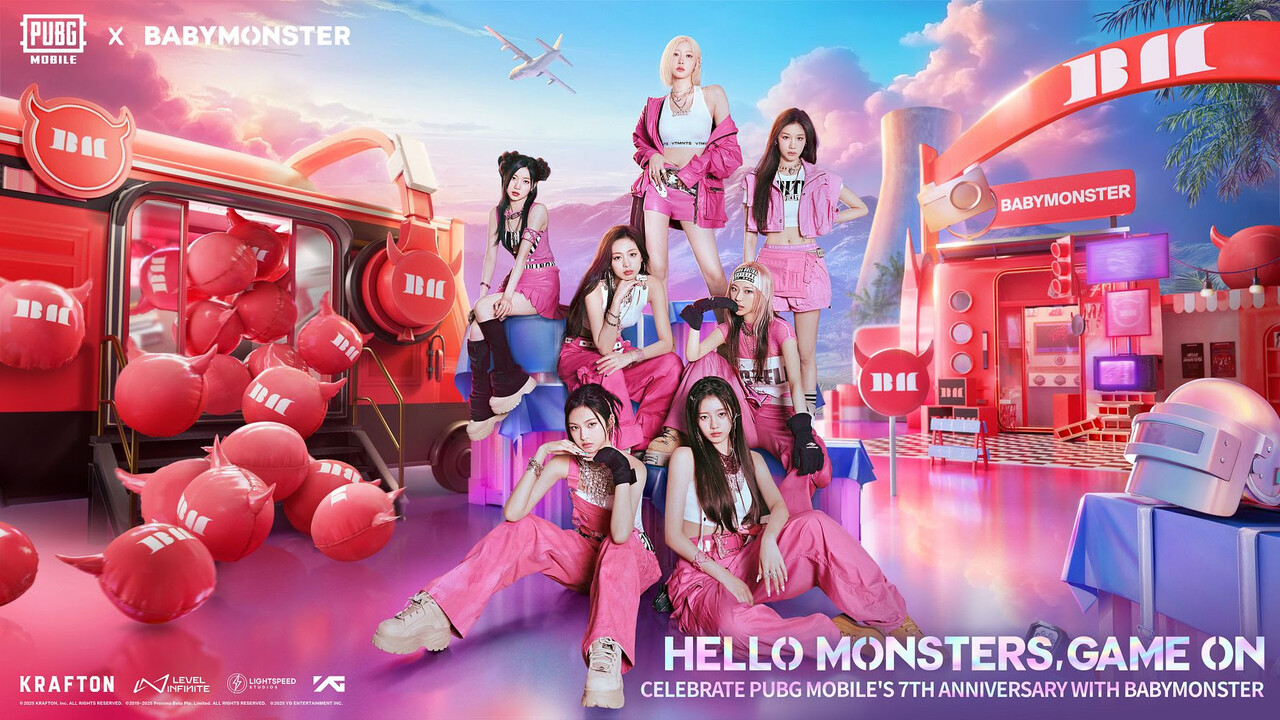
PUBG Mobile × BABYMONSTER (K-pop Group)
What happened: PUBG Mobile partnered with the K-pop girl group BABYMONSTER (under YG Entertainment) for a limited-time event around PUBG Mobile’s 7th anniversary.
In-game content:
A themed video bus appears on Erangel / Rondo maps.
Photo zones where players can take selfies with their favourite BABYMONSTER members.
A cassette player item to play the track “DRIP”, the group’s song, in-game.
K-pop is hugely influential globally; tying into a rising group helps PUBG Mobile tap into younger, music-savvy audiences.
Such collaborations boost engagement: players are incentivized to complete event missions / challenges, spend on cosmetics / themed items.
According to FoxData, K-pop collaborations are especially effective at boosting DAU (daily active users) and event retention.
As part of the 7th anniversary, this is more than just superficial – it's a celebration, which likely encouraged high participation.
Limitations / unknowns:
I couldn’t find publicly disclosed revenue numbers for this event. No official Tencent financials for this specific collab have been reported (publicly).
Engagement peaks (concurrent users) are not broken out for just the event.
DC Worlds Collide (Mobile & PC) – DC Comics Universe Integration
What happened: Warner Bros. Games launched DC Worlds Collide in July for iOS, Android, and PC.
Core IP / Storyline Tie-in: The game is built around major DC comic arcs — Trinity War and Forever Evil — letting players assemble squads of 70+ DC heroes and villains.
Monetization & Engagement:
Free-to-play game with microtransactions: players can unlock / upgrade characters, costumes, etc.
Likely recurring live events tied to DC story arcs, which helps with retention and in-app spend over time.
Pre-registration was open, which generally helps initial player adoption.
Why it’s successful (or potentially):
Brand power: DC is a massive, global IP, with deep fanbases across comics, films, TV. High appeal.
Depth of roster: Having 70+ characters from DC ensures a wide “pull” – both heroes and villains, classic and modern.
Cross-platform: Launching on mobile and PC increases reach + monetization potential.
Story-driven: Using rich DC story arcs gives narrative weight; more than “just skins.”
Drawbacks / risk:
Very competitive space: many mobile RPGs / gacha-style games; DC Worlds Collide will need strong live-ops and content cadence to retain players.
Microtransaction-heavy games risk “whale” dependence; not publicly known how well they’ve converted.
What happened: Also in July Astro Bot (on PS5) got a free update adding 5 new levels (Vicious Void Galaxy) and special cameo bots from Square Enix IPs: 2B (NieR: Automata), Cloud (Final Fantasy VII), Sephiroth, Serge (Chrono Cross), and a character from Ghost of Yotei. PlayStation.Blog+1
Monetization / Engagement:
This is a free content update, not a paid DLC. GameSpot
The update expands “collectibles” (the special bots), giving players reason to replay / explore.
Likely increases player retention and word-of-mouth as fans of Square Enix IPs dive in to hunt for bots.
Why it's valuable / successful (even without direct monetization):
Cross-IP appeal: Square Enix is a major publisher; bringing iconic characters into Astro Bot drives interest from fans of those franchises.
No paywall: Since it's free, there’s lower friction; this helps boost user goodwill and potentially bring in lapsed or casual players to re-open the game.
Longevity: By expanding with more levels and cameos, Astro Bot remains relevant and “fresh,” which is key for platformers.
Limitations:
Because it's free and no direct monetization for this update, its revenue impact is indirect (via retention / brand engagement) rather than immediate sales.
Player and revenue numbers for this update are not publicly broken out (i.e., how many more players returned or how much “halo effect” this had).
Analysis: Why These Matter in the Context of Content Strategy
Music + Pop Culture Collabs (e.g., PUBG × BABYMONSTER): These are highly effective for engagement spikes. K-pop acts bring in dedicated fandoms; combining that with in-game rewards, map features, and music-driven content encourages both spending (for cosmetics) and consistent play (for event missions). Even without disclosed revenue, such collabs likely drive “time spent in game” and uplift in microtransactions.
IP-Rich Narrative Games (e.g., DC Worlds Collide): This represents a “long play” content strategy. Rather than a short event, this is a full game built around a deep IP. Over months, squad-based RPGs can generate steady monetization through character unlocks, events, and in-game economies. Because the game is available on mobile + PC, it has broad reach.
Free High-Quality Updates (e.g., Astro Bot): While not monetized directly, free content like additional levels and beloved cameos can strengthen the brand. It keeps the player base engaged, improves sentiment, and builds loyalty. In some business models, that’s just as valuable as direct monetization because it reduces churn and drives positive word-of-mouth.
Caveats / Challenges in Measuring “Success”
Many mobile / free-to-play games do not disclose detailed revenue by event; unless the company publishes a financial report or press release, it's hard to quantify exact ROI for a specific collab.
User engagement (like DAU, CCU) is often not publicly broken out per event, unless companies or third-parties report them.
Some “collaborations” (like cameo bots) may be more about brand signaling than direct monetization.
If we had to rank these new (mobile / PC) ones by likely business impact:
PUBG Mobile × BABYMONSTER — big potential user engagement + monetization (cosmetics / event), high relevance.
DC Worlds Collide — long-term game, high IP weight, cross-platform monetization.
Astro Bot Update with Square Enix IPs — lower direct monetization, but strong for retention and brand.
So what do you think? Some great examples. What were your recommendations? Remember to send us your collabs or other news you want us to feature on our Collab Tracker in 2026.
Layer's 2025 Year in Review
2025 has been a very interesting year for the Layer team and the marketplace and brand ended it with new owners.
Licensing agency AT New Media, led by games industry licensing veteran Simon Kay now leads the marketplace and its future evolution.
As we enter 2026, Simon, his over 30 years of experience in this space and his network are steadying the ship and readying the Layer marketplace for new adventures.
Integrating the Layer marketplace in to his licensing agency model supporting game developers, agencies and IP owners seek new opportunities in games and gaming feels like a good fit and we are looking forward to next steps.
Moving forward, you will begin to read more of Simon’s perspective in these newsletters bringing stories from IP licensing past, present and perhaps even Aideas for the future! He has some great stories to tell.
Away from this change, new partnerships have still come to life thanks to Layer’s licensing marketplace, a matchmaking platform for game/gaming studios and licensors/agents. Even with the world of integrations moving on a pace, it is great to see there is still such demand for what we have to offer.
There has also been a notable uptick in activity for off marketplace licensing services whether that is support with ideation (what shall I license and why?), search (which licenses are available?) and also commercial support (how do we get this deal done?). This has notably involved a balance of support for developers, agencies and licensors alike. It is a competitive market with Ai evolution but uniquely human touches will continue to lead our processes.
Here’s a quick round-up of some of Layer’s 2025 activity by brand including a few hints as what is to come.
You can read a full rundown of games, integrations and news via the relevant links, and be sure to get in touch with us if you’re developer looking to work with IP in 2026, or you’re a licensor/IP holder/agency seeking some extra support to get things done! Now, as part of AT New Media, we can also even sit in on your own projects as a team member to help from the inside.
Broadcast in over 179 countries, Pop Paper City is a BAFTA award-winning 3D craft-adventure universe. Born from a childhood love of crafting and a desire to create a show where children don’t just watch - they make. Roblox game also in development. Why not log in to your Layer account to learn more.
Tom Gates is a doodler extraordinaire, a master of making up excuses and is adored by fans around the world. Life has been busy for Tom Gates with 23 award-winning, multi-million-copy-bestselling books (and counting!) and a 3-season award-winning TV series. Ideal for gaming due to its engaging storytelling, relatable characters, and strong visual style. Targeting ages 7-12, it suits puzzle, adventure, and educational games. Family-friendly and appeals to fans of humorous, creative content.
We have been honoured to play host to many iconic celebrities within the Layer Marketplace and one of these is Bob Ross. With multiple projects already in market within the games sector, we are excited to be involved in new discussions which will utilise this icon of the artistic world. Come back to the marketplace and see who else we have ready to license in the celebrity world.
We are so excited to be able to offer the opportunity to license mobile game and content integration rights for the iconic Halloween movie IP. Halloween is ideal for gaming due to its horror and suspense themes, iconic characters, and cultural recognition. It targets ages 18-35 and all fans of horror/thriller genres as well as the original fans of the movie. Suitable for horror, adventure, and puzzle games, it has been featured in "Dead by Daylight" and other video games in recent times.
You will continue to see more additions to our collaboration tracker each month throughout 2026 and if you have something you would like to share with us to add, please send that through to simon@layerlicensing.com
In Conclusion:
Let’s get to it. As was shown at the UK end of year games event hosted by Wiggin LLP in London, there is slow uptick in confidence about the future and we intend to play a full part supporting you in that.
Layer’s associated consulting services will be spearheaded by Simon Kay with AT New Media, so why not reach out to him to discuss your requirements or queries further.
He is always willing to have a natter as many of you know.
Finally, thanks you for all the messages of support over recent months and we look forward to continuing to engage with developers, agencies and IP owners with ideation, search and commercial management in the ever evolving game and gaming IP licensing sector.
A newsletter that people actually read...
Published regularly throughout the year, sign up for the Licensing in Games newsletter to get the latest news on collaborations, brand partnerships and in-game events.

.png)
.png)
.jpg)
.jpg)

.jpg)
